
 Subscribe
- Login
-
/
Sign Up


What's happening in STEM City USA from April 20-26, 2024?
Featuring resources for education, healthcare, entertainment, and professional training.


One year ago, construction began on a community center in West Baltimore that will revitalize the historic district and transform the fire-damaged Public School (PS) 103 into the Thurgood Marshall..
~ Lango Deen.
What’s on STEM City USA this week? See the schedule below. Sunday, Dec. 10 HBCU Nation iRadio | The HBCU Nation 6:00 AM – 7:00 AM ET Join our Host..
~ Lango Deen. Previous
 Next
Next

Colonel Alison Gonzalez, who serves as the Director of Staff for the United States Space Force, is currently the highest-ranking Black woman in the force. She is set to be..
~ Lango Deen.
Dr. Chance M. Glenn is a well-known figure in the field of engineering education. He has served as the chair of the Council of Engineering Deans at Historically Black Colleges..
~ Lango Deen.
Previous
Next

People and Events

USBE Highlights


Join K-12 students as they explore STEM careers on the BEYA Digital platform
Grants for HBCUs, MSIs & Community Colleges will foster Innovation in Underserved Communities

Job, internship opportunities at Career Fair with more than 100 employers

Day 1: 2021 BEYA STEM Digital Conference!
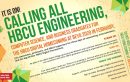
Wrap-Up Day 1 – February 11- BEYA STEM Digital Conference
Wrap-Up Day 2 – February 12- BEYA STEM Digital Conference
Stand Up. Step Up. Make the Change. Presented by The Boeing Company

Join us on Saturday, Feb. 13 at 7:00 p.m. EST for the Black Engineer of the Year Awards